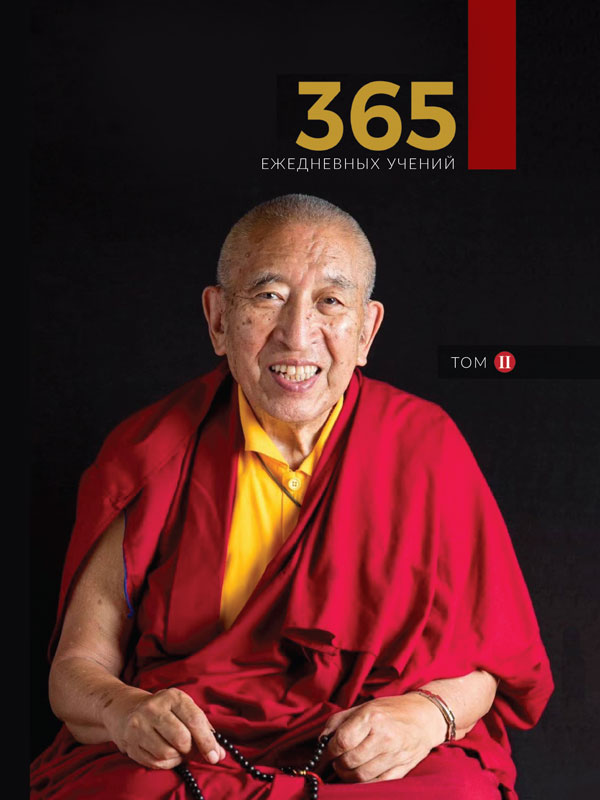
堪千創古仁波切
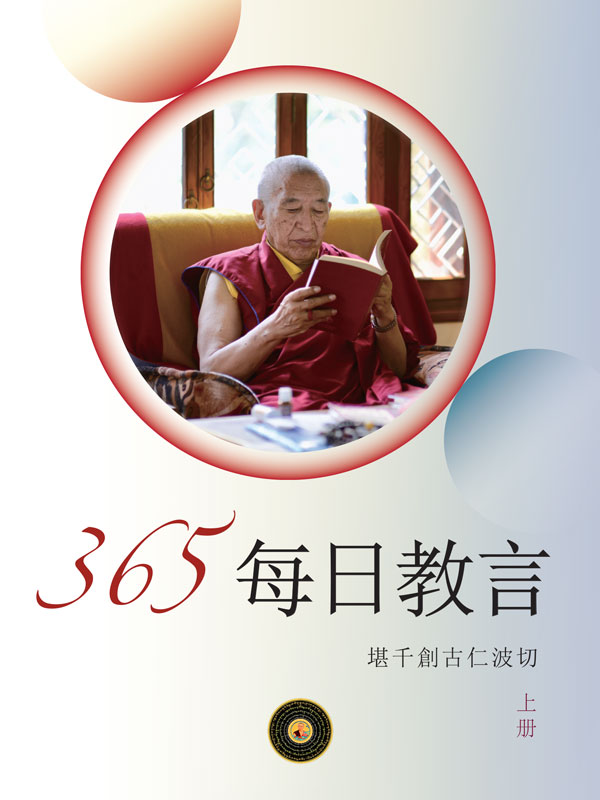
本書收錄藏傳佛教噶舉派重要持教大德堪千創古仁波切的三百六十五則珍貴教言,依日期與主題編排,陪伴讀者每日聞思、反省與修持。仁波切以深厚的智慧與慈悲,將佛法融入日常生活,指引我們在順逆境中安定內心、培養覺察與慈悲。每一則教言簡短而深刻,猶如細雨滋養初心,亦如明燈照亮修行之路。願讀者在每日片刻的閱讀中,汲取佛法的智慧與力量,讓仁波切的教誨融入生活,成為走向安樂與覺悟的長久指引。
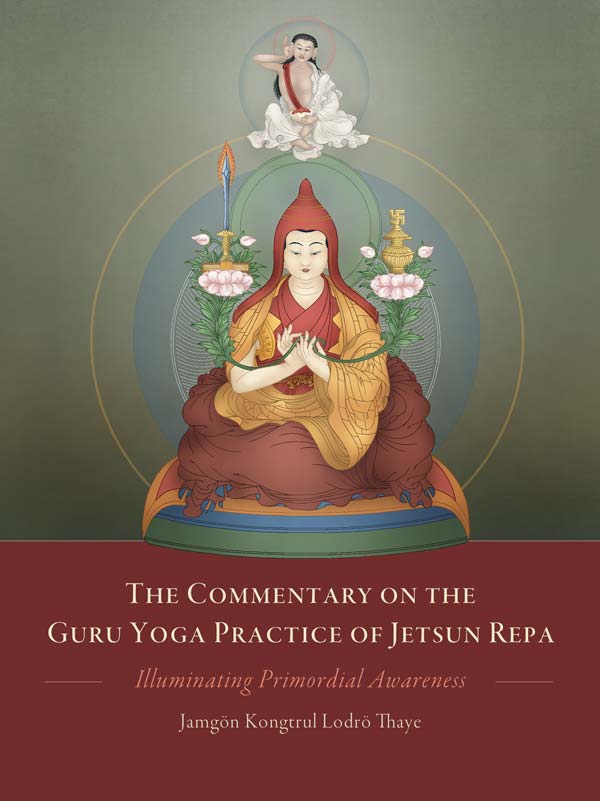
Illuminating Primordial Awareness
རྗེ་བཙུན་རས་པ་ཆེན་པོ་ལ་རྟེན་པའི་བླ་མའི་རྣལ་འབྱོར་གྱི་ཟིན་བྲིས་ཡེ་ཤེས་གསལ།
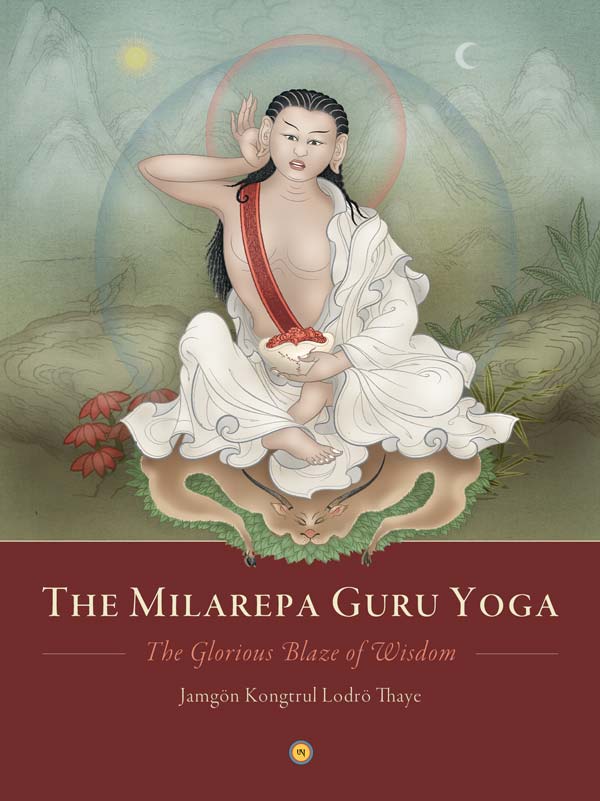
“The light of the blessing of Milarepa spreads everywhere and has the ability to clear away the darkness of ignorance in the hearts of all living beings. If one prays to Milarepa one is able to fully develop primordial awareness which is free from all impurities. This commentary is short and precise but it is also authentic.”
རྗེ་བཙུན་རས་པ་ཆེན་པོ་ལ་བརྟེན་པའི་བླ་མའི་རྣལ་འབྱོར་ཚོགས་མཆོད་དང་བཅས་པ་ཡེ་ཤེས་དཔལ་འབར།
Since the time Jamgön Kongtrul Lodrö Thaye composed the Milarepa Guru Yoga, it has been one of the most important guru yoga practices in the Kagyu lineage. It serves as a daily ritual for many dharma practitioners who seek to cultivate or increase their devotion for Tibet’s most famous yogi and forefather of all Kagyupas.
A Commentary on the Song of the Mani by Khenpo Gangshar Wangpo
Khenchen Thrangu Rinpoche teaches on the essential meaning of the Mani mantra based on “Song of the Mani” composed by Khenpo Gangshar Wangpo Rinpoche, a great Tibetan scholar and meditator who was also a teacher to Thrangu Rinpoche.
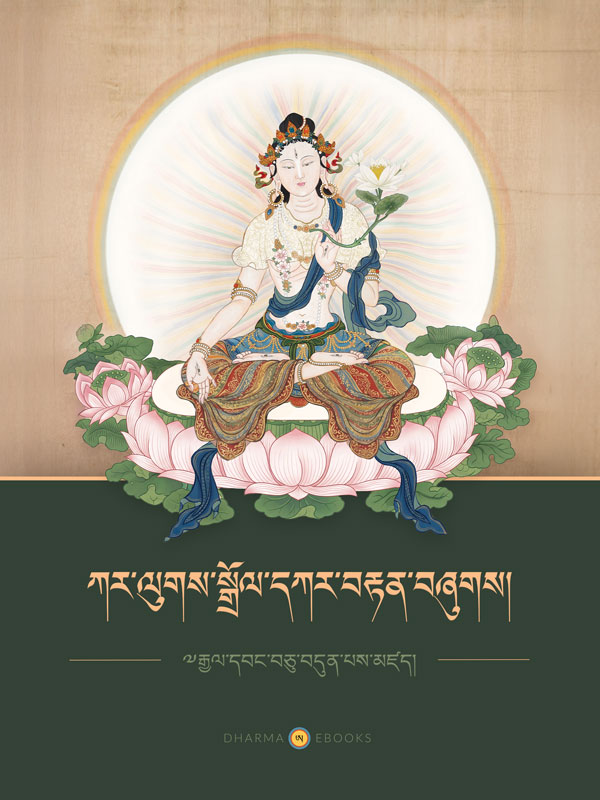
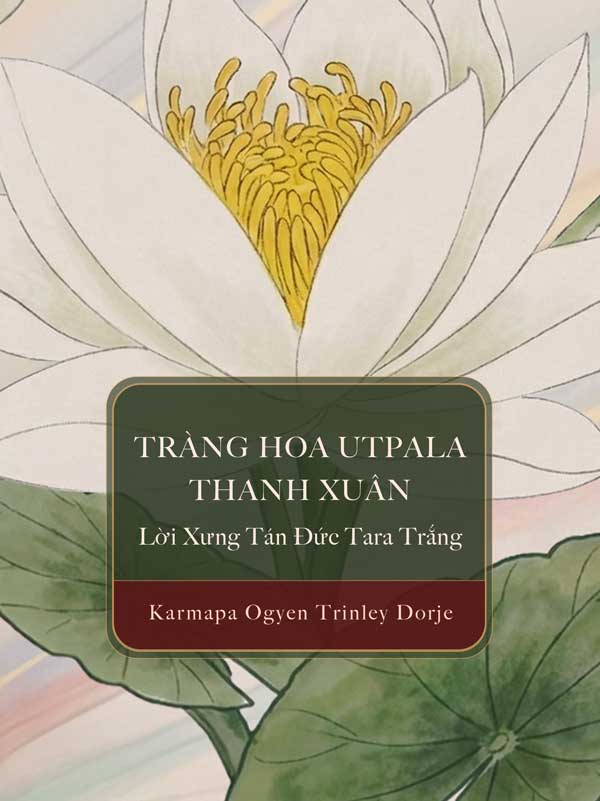
རྗེ་བཙུན་སྒྲོལ་མ་དཀར་མོ་ལ་བསྟོད་པ་ཨུཏྤལ་གཞོན་ནུའི་མགུལ་རྒྱན།
Modlitwa pochwał Białej Tary, która w siedemnastu strofach prezentuje esencję jej praktyki w tradycji karma kamtsang. Gjalłang Karmapa uważa, że ich kontemplowanie i recytowanie przyniesie pożytek wszystkim, którzy utrzymują wiarę lub praktykują Białą Tarę.

རྗེ་བཙུན་སྒྲོལ་མ་དཀར་མོ་ལ་བསྟོད་པ་ཨུཏྤལ་གཞོན་ནུའི་མགུལ་རྒྱན།
These verses in praise of White Tara distill the essence of the Karma Kamtsang tradition of White Tara practice into seventeen inspiring stanzas. For this reason, the Gyalwang Karmapa has said that reading and reciting them will benefit anyone who has faith in or practices White Tara. Translated by Khenpo David Karma Choephel at the request of the Gyalwang Karmapa.
སྒྲོལ་དཀར་རྒྱུན་ཁྱེར་བསྡུས་པ། །
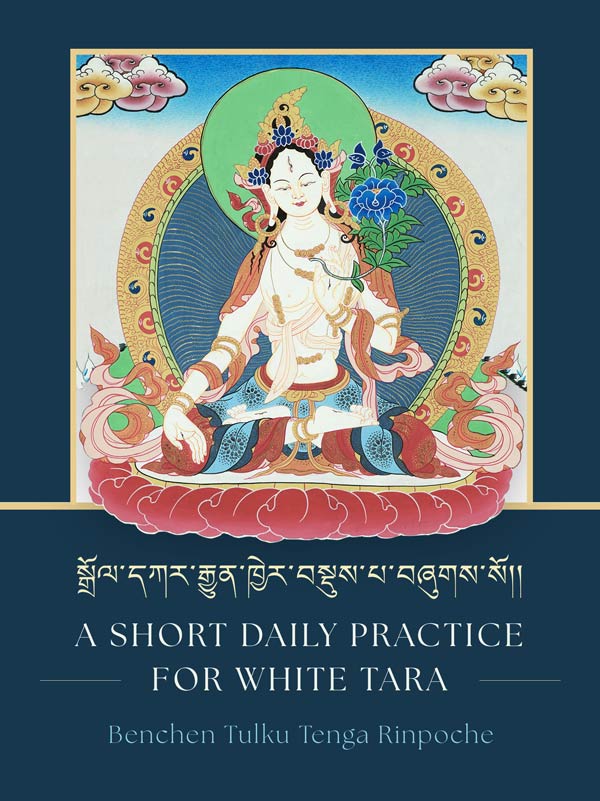
Kyabje Third Tenga Rinpoche wrote this very short, essential White Tara practice text for one of his close students, and for some years it was kept private. Later, it was widely distributed by other Benchen Lamas, and till this day it is used by many of Tenga Rinpoche’s followers. This eBook edition also features Rinpoche’s recitation of the sadhana.
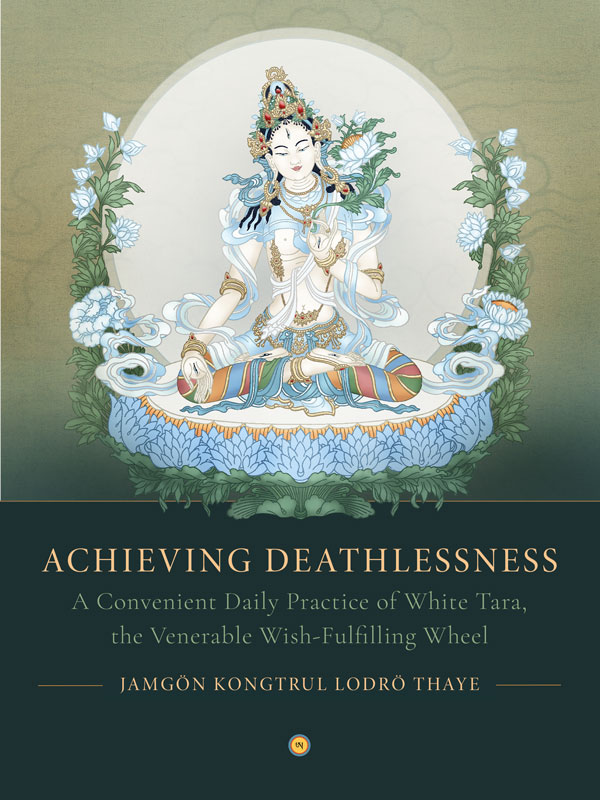
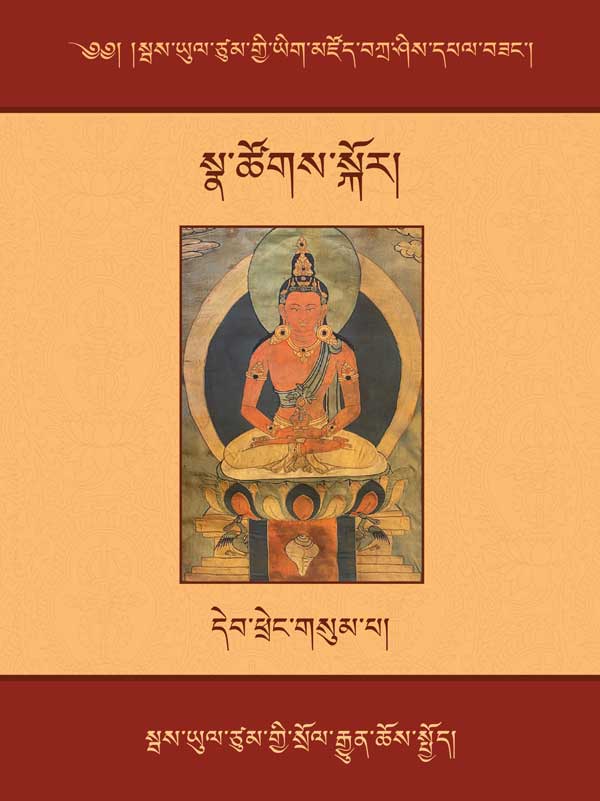
A Convenient Daily Practice of White Tara, the Venerable Wish-Fulfilling Wheel རྗེ་བཙུན་ཡིད་བཞིན་འཁོར་ལོའི་རྒྱུན་གྱི་རྣལ་འབྱོར་ཁྱེར་བདེ་འཆི་མེད་གྲུབ་པ།
Achieving Deathlessness: A Convenient Daily Practice of White Tara, the Venerable Wish-Fulfilling Wheel by Jamgon Kongtrul Lodrö Thaye (1813–1899) is one of the most popular daily practices of White Tara. Succinct, arranged in verse, and easy to chant, this short work nevertheless contains the requisite components of a yidam practice of the highest yoga tantra.
Oral Explanations on A Chest of Amṛita from The Treasury of Kagyu Mantras by Jamgön Kongtrul Lodrö Thaye
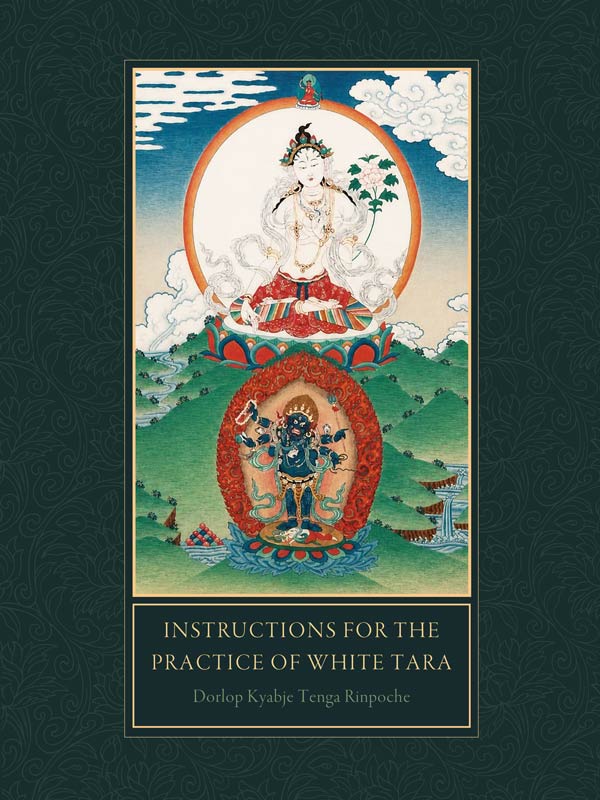
This work presents a detailed and illustrated commentary by Venerable Tenga Rinpoche on the complete long-life practice of Noble White Tara, based on Jamgön Kongtrul Lodrö Tayé’s A Chest of Amṛita from The Treasury of Kagyu Mantras. It carefully explains the specific Tara ngöndro and then guides the practitioner step by step through the development phase, including the visualization of White Tara’s palace, form, and mantra, together with an explanation of their meanings.
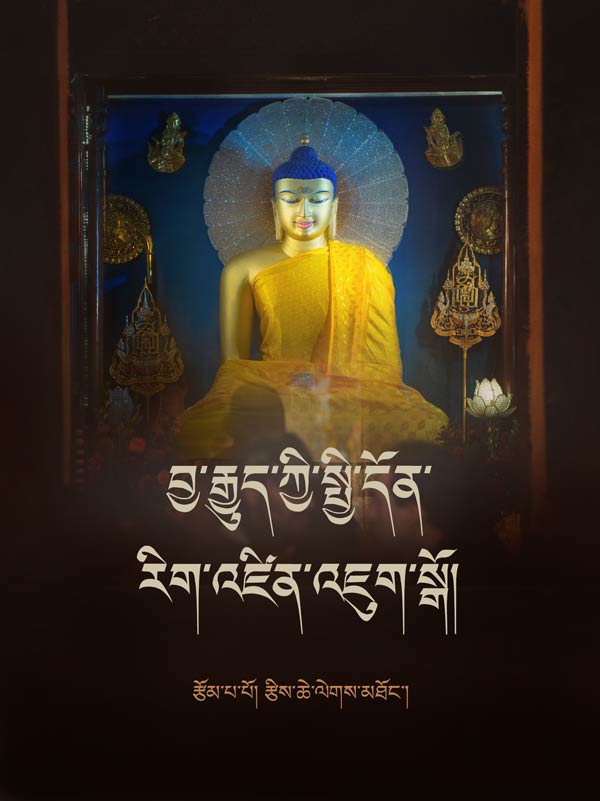
ནང་པ་སངས་རྒྱས་པའི་ལུགས་ཀྱི་གསང་སྔགས་ཐོག་མར་དར་བ་ལ། རིག་འཛིན་གྱི་སྡེ་སྣོད་དང་། བྱ་བའི་རྒྱུད། གསང་སྔགས་ཕྲན་ཚེགས་ཞེས་སོགས་བརྗོད་སྲོལ་ཡོད་ཅིང་། དེ་ཉིད་བོད་ཀྱི་མཁས་པ་རྣམས་ཀྱིས་རྒྱུད་སྡེ་ཐམས་ཅད་ཀྱི་གཞི་མ་དང་། རིག་སྔགས་འཆང་གི་སྡེ་སྣོད་ཐམས་ཅད་ཀྱི་རྩ་བ་ལྟ་བུ་ཡིན་པར་གསུངས། དེ་ཉིད་རྒྱ་ནག་དང་ཉི་ཧོང་སོགས་སུ་དར་བ་དང་། བོད་དུ་ཡང་དམངས་ཁྲོད་དུ་ཧ་ཅང་དར་ཁྱབ་ཆེ་ན་ཡང་། བར་སྐབས་སུ་བྱོན་པའི་མཁས་པ་འགའ་ཞིག་ལས་དུས་ཕྱིས་སུ་བྱ་རྒྱུད་ཀྱི་སྤྱི་དོན་རྩོམ་པ་དང་དེ་ལ་དཔྱད་པ་དང་ཞིབ་འཇུག་བྱས་པ་སོགས་ཆེས་ཉུང་བ་ལ། ད་རེས་རྩིས་ཆེ་ལེགས་མཐོང་གིས་དཔེ་ཀློག་ཟིན་བྲིས་ཀྱི་ཚུལ་དུ་བྱ་རྒྱུད་ཀྱི་སྤྱི་དོན་རིག་འཛིན་འཇུག་སྒོ་ཞེས་པའི་དཔེ་དེབ་ཅིག་གསར་རྩོམ་གནང་བ་ལ། འདི་ཉིད་བོད་ཀྱི་མཁས་པས་བརྩམས་པའི་བྱ་རྒྱུད་ཀྱི་སྤྱི་དོན་རྒྱས་ཤོས་ཤིག་ཡིན་པའི་ཐོག་ཏུ། ཧིན་དུ་དང་ཉི་ཧོང་གི་གསང་སྔགས་སོགས་རིག་གཞུང་གཞན་ལ་ཡང་གཤིབ་བསྡུར་བྱས་པས་དེང་རབས་དང་མཐུན་པ་དང་། གྲུབ་མཐའི་ཕྱོགས་རིས་མ་བྱས་པར་བྱ་རྒྱུད་ཀྱི་དཀའ་གནད་མང་པོར་རང་སྟོབས་ཀྱིས་དཔྱད་པ་ཞིབ་མོ་མང་དུ་བྱས་ཡོད་པ་དང་། བསམ་གཏན་ཕྱི་མའི་སྒོམ་རིམ་སོགས་ལ་གོ་བདེ་རུ་གཏོང་ཐབས་ཀྱང་བྱས་ཡོད་པ་སོགས་ཀྱིས་འདི་ཉིད་ནང་པའི་གསང་སྔགས་སྤྱི་དང་། ཁྱད་པར་བྱ་བའི་རྒྱུད་ཀྱི་སྤྱི་དོན་དང་དཀའ་གནད་རྣམས་མཁྱེན་འདོད་པའམ་དེ་དག་ལ་ཉམས་ཞིབ་གནང་འདོད་པ་རྣམས་ལ་ཕན་ཐོགས་ཆེ་བར་མཐོང་བས་རྩོམ་པ་པོའི་རེ་བ་བཞིན་ང་ཚོས་འདིར་དམ་ཆོས་འཕྲུལ་དེབ་ཏུ་སྤེལ་ཡོད་ལ། རྗེས་སོར་འདི་ཉིད་དེབ་གཟུགས་སུ་པར་འཆར་འདུག་པས་ཡིག་ནོར་གཟིགས་པའམ་དགོངས་འཆར་སོགས་ཡོད་ན་རྩོམ་པ་པོ་ལ་ཐད་ཀར་འབྲེལ་བ་གནང་ནས་ཁོང་ལ་གསུང་བའི་འབོད་བསྐུལ་ཡང་ཞུ།
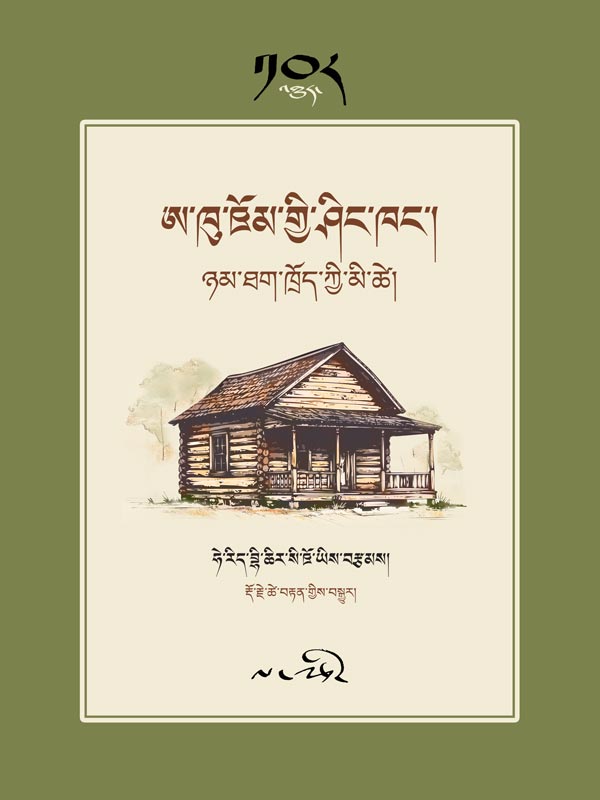
Uncle Tom’s Cabin; or, Life Among the Lowly
“ཨ་ཁུ་ཋོམ་གྱི་ཤིང་ཁང་”ཞེས་པ་འདི་ནི་ཨ་རིའི་རྩོམ་པ་པོ་ལྕམ་སྐུ་ཧེ་རིད་བྷི་ཆིར་སི་ཋོ་(༡༨༡༡-༡༨༩༦) ཀྱིས་བརྩམས་ཤིང་། སྤྱི་ལོ་ ༡༨༥༢ ལོར་ཐེངས་དང་པོར་པར་སྐྲུན་བྱས་པ་དང་། ཨ་རིའི་རྩོམ་རིག་བརྩམས་ཆོས་གྲགས་ཅན་ཞིག་ཡིན། སྒྲུང་རྩོམ་འདི་ནི་ཨ་རིའི་ལྷོ་ཕྱོགས་ཁུལ་གྱི་བྲན་གཡོག་མི་སྣ་ཨ་ཁུ་ཋོམ་ཞེས་པ་དེའི་ཉམས་མྱོང་རྣམས་གཞི་འཛིན་གྱིས་བྲན་གཡོག་གི་འཇིགས་ཡེར་བའི་མི་ཚེ་དེ་སྟོན་ཆེད་བརྩམས་པ་ཞིག་རེད། ཀློག་མཁན་ས་ཡ་མང་པོ་བྱུང་བ་དང་བསྟུན་ནས་དེབ་འདིས་བྲན་གཡོག་གི་ཐད་ལ་མི་མང་གི་ལྟ་ཚུལ་བསྒྱུར་བའི་ནུས་ཤུགས་ཆེན་པོ་ཐོན་པར་ངོས་འཛིན་བྱེད་ཅིང་། ཨ་རིའི་ནང་དུ་བྲན་གཡོག་རྩ་མེད་བཟོ་བའི་ལས་འགུལ་ལ་ཤུགས་རྐྱེན་ཐེབས་པ་མ་ཟད། མཐར་ཨ་རིའི་ནང་འཁྲུག་གི་འབྱུང་རྐྱེན་དུའང་གྱུར་ཡོད།
དྭགས་པོ་བཀའ་བརྒྱུད་སྤྱི་དང་། ལྷག་པར་སྒྲུབ་བརྒྱུད་ཀརྨ་ཀམ་ཚང་ལ་རྗེ་བཙུན་སྒྲོལ་མ་དཀར་མོའི་བཀའ་བབས་ཐུན་མོང་མ་ཡིན་པ་ཡོད་ཅིང་། རྗེ་དུས་གསུམ་མཁྱེན་པ་དང་གྲུབ་ཆེན་ཀརྨ་པཀྵི་སོགས་ཀྱི་སྐུ་དུས་སུ་སྒྲོལ་དཀར་གྱི་ལས་ཚོགས་སྟོང་ཕྲག་ཡོད་པའི་ལོ་རྒྱུས་ཡོད་པ་དང་། དུས་ཕྱིས་སུའང་སྒྲུབ་བརྒྱུད་འདིའི་བླ་མ་དགུང་ན་བགྲེས་པ་ཕལ་མོ་ཆེ་སྒྲོལ་མ་དཀར་མོ་ཡི་དམ་དུ་བསྟེན་མྱོང་མཁན་ཤ་སྟག་ཡིན་པ་ལྟ་བུར་ཡོད་མོད།
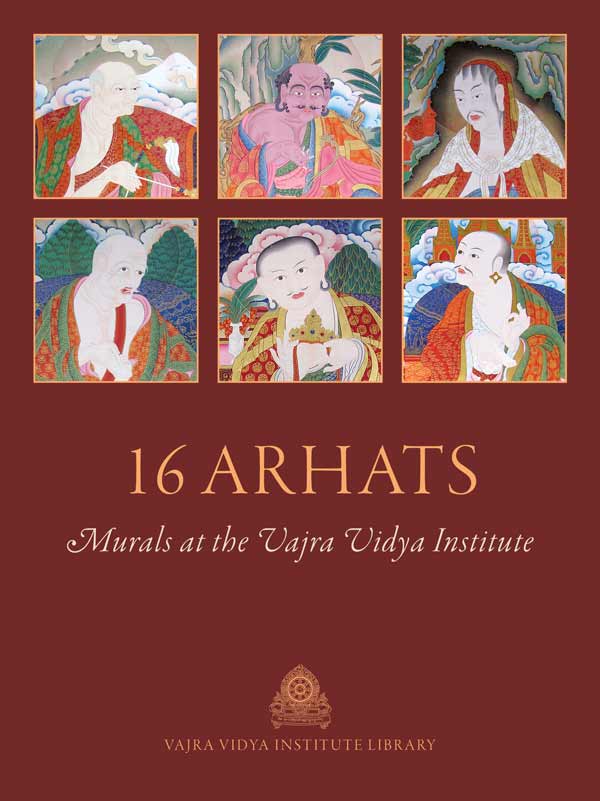
Murals at the Vajra Vidya Institute
The Sixteen Arhats are 16 different wise teachers who lived in India and who represent many different aspect of the Buddhist experience. Although these adepts lived in India their stories and accomplishments were taken to China, Japan, and Tibet where they are featured in Buddhist ceremonies.
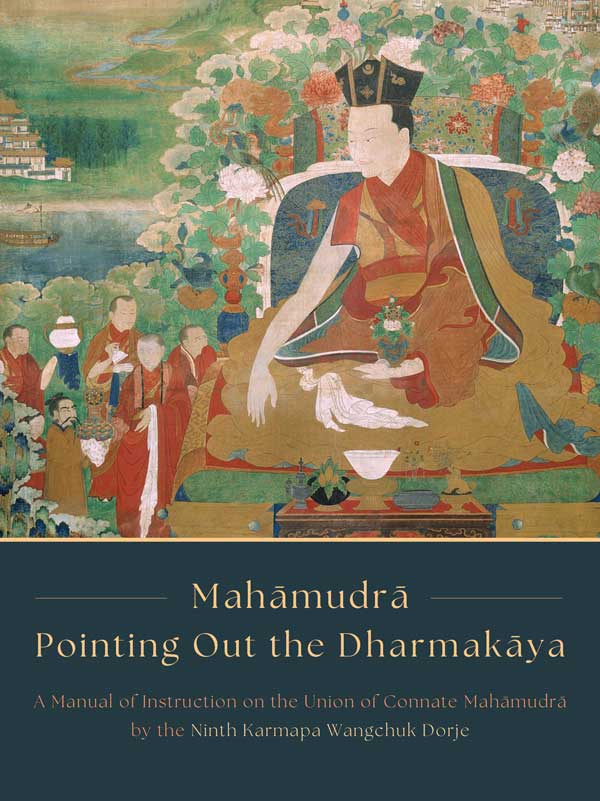
A Manual of Instruction on the Union of Connate Mahāmudrā; The Torch that Illuminates the Heart Essence; The Innermost Nectar Essence.ཕྱག་ཆེན་ཆོས་སྐུ་མཛུབ་ཚུགས།
The present text, Mahāmudrā, Pointing out the Dharmakāya, by the ninth holder of the black vajra crown, Karmapa Wangchuk Dorje [1556-1603], is among the profoundest teachings which the practice lineage of the Karma Kamtsang has to offer. It is designed as a practice manual for practitioners to take on a secluded retreat to apply these instructions and gain hands-on experience through personal practice. This is a text that needs to be practised, not just studied or read casually.
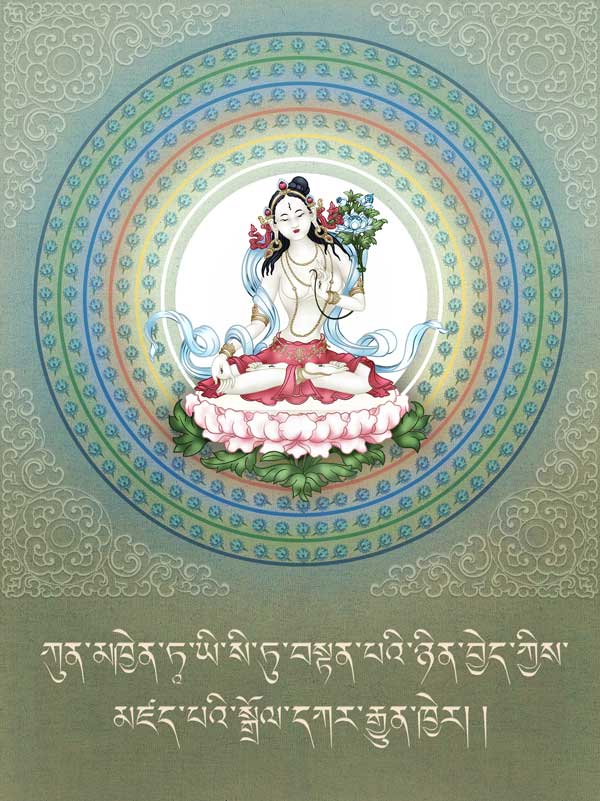
རྗེ་བཙུན་སྒྲོལ་མ་དཀར་མོ་ནི་སྒྲུབ་བརྒྱུད་ཀརྨ་ཀམ་ཚང་ལ་ཐུན་མོང་མ་ཡིན་པའི་བཀའ་བབ་ཡོད་པས་རྗེ་བཞི་པ་རོལ་པའི་རྡོ་རྗེ་དང་། དགུ་པ་དབང་ཕྱུག་རྡོ་རྗེ་སོགས་བརྒྱུད་པ་གོང་མ་མང་པོའི་ཡི་དམ་གྱི་ལྷ་གཙོ་བོ་ཡིན་ཅིང། ལྷག་པར་སི་ཏུ་སྐུ་ཕྲེང་བརྒྱད་པ་ཆོས་ཀྱི་འབྱུང་གནས་དང་། དེ་ཉིད་ཀྱི་ཐུགས་སྲས་རྒྱལ་དབང་བཅུ་གསུམ་པ་བདུད་འདུལ་རྡོ་རྗེ་སོགས་ཀྱིས་ཡི་དམ་དུ་བསྟེན་པར་མཛད་པས། ཀར་བསྟན་ཉག་ཕྲ་བའི་སྐབས་དེ་ལྟ་བུར་སྐུ་ཚེ་མཐར་ཕྱིན་པའི་སྟོབས་ཀྱིས་རྒྱལ་བསྟན་སྤྱི་དང་། བྱེ་བྲག་ལ་བཀའ་དྲིན་ཆེ་བར་གྱུར། ལྷག་པར་སི་ཏུ་པཎ་ཆེན་ནི་སྒྲུབ་བརྒྱུད་ཀརྨ་ཀམ་ཚང་ཙམ་དུ་མ་ཟད། བོད་དུ་ཕྱིས་བྱོན་པའི་མཁས་པ་ཉི་ཟླ་ལྟར་གྲགས་པ་ཡིན་ལ། དེ་ཉིད་ཀྱིས་མཛད་པའི་སྒྲོལ་དཀར་ཡིད་བཞིན་འཁོར་ལོའི་སྒྲུབ་ཐབས་འདི་ནི་རྒྱལ་བ་ཡབ་སྲས་རྣམས་ཀྱིས་རྒྱུན་གྱི་ཉམས་བཞེས་མཛད་ཡུལ་ཡིན་སྟབས། གལ་འགངས་ཆེ་བར་བསམས་ཏེ་ད་རེས་ང་ཚོས་འཕྲུལ་དེབ་ཏུ་བཞེངས་ནས་དམ་ཆོས་འཕྲུལ་དེབ་ཀྱི་དྲ་ཚིགས་སུ་སྤེལ་ཡོད།
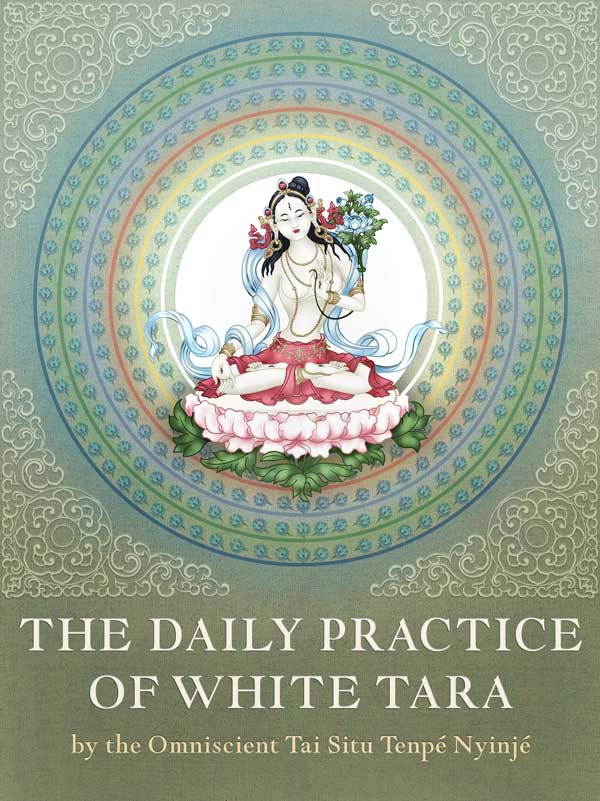
ཀུན་མཁྱེན་ཏཱའི་སི་ཏུ་བསྟན་པའི་ཉིན་བྱེད་ཀྱིས་མཛད་པའི་སྒྲོལ་དཀར་རྒྱུན་ཁྱེར་བཞུགས།New edition
The Daily Practice of White Tara was composed by the 8th Tai Situ, Chökyi Jungné (1700-1774). Famous under the name Situ Penchen, he was a great Buddhist master, scholar, and polymath, gifted as a brilliant painter, writer, publisher, grammarian, and medical innovator. Within the Karma Kamtsang tradition, this beautiful daily practice of White Tara is the most beloved.
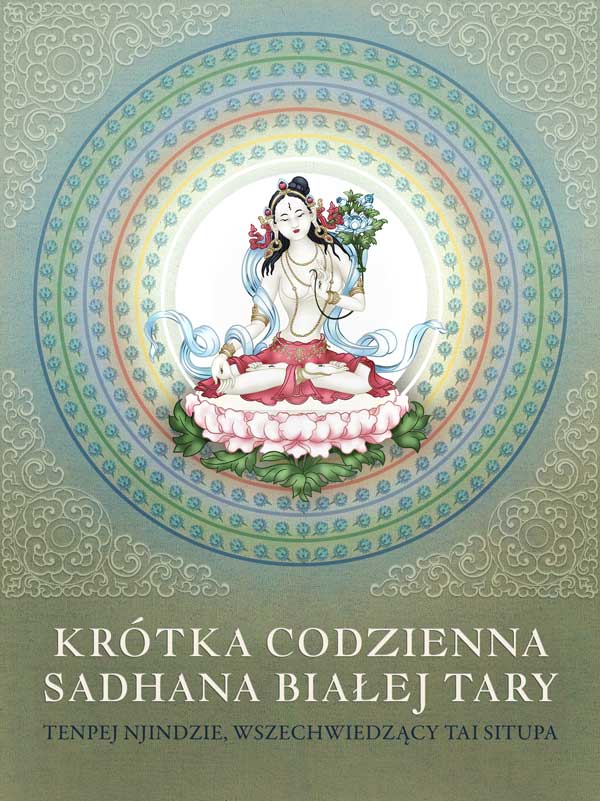
ཀུན་མཁྱེན་ཏཱའི་སི་ཏུ་བསྟན་པའི་ཉིན་བྱེད་ཀྱིས་མཛད་པའི་སྒྲོལ་དཀར་རྒྱུན་ཁྱེར་བཞུགས། Nowe wydanie
Sadhana napisana przez ósmego Tai Situ Rinpocze Tenpej Njindzie (1700-1774), bardziej znanego pod imieniem Ciekji Dziungne, najczęściej wykorzystywana do codziennej praktyki Białej Tary w tradycji Karma Kamtsang.

Sumário de instruções sequenciais sobre as quatro preliminares e a prática principal mahamudra
Tocha para a Verdade Definitiva é o comentário clássico na linhagem Karma Kagyu para as práticas preliminares do mahamudra. Foi escrito por Djamgon Kongtrul Lodro Thaye no início do século 19. Até então não havia instruções escritas completas para a sadhana do ngondro, apenas instruções orais.
སྦས་ཡུལ་ཙུམ་གྱི་ཞལ་འདོན་ཕྱོགས་བསྡེབས་འདོད་འཇོའི་བུམ་བཟང་ནང་དུ་སྦས་ཡུལ་ཙུམ་གྱི་སྲོལ་རྒྱུན་གྱི་ཞལ་འདོན་གཙོ་བོ་རྣམས་དང་། དེང་དུས་ཀྱི་དགོས་དགུ་ཆེ་བ་རྣམས་ཀྱང་ལྷན་དུ་ཕྱོགས་སྡེབས་བྱེད་པ་ཞིག་ཡིན། འཕྲུལ་དེབ་འདིའི་སྦས་ཡུལ་ཙུམ་སོགས་ཧི་མ་ལ་ཡི་རིགས་རྒྱུད་པ་རྣམས་ཀྱི་ཉིན་རེར་ཁ་ཏོན་སོགས་ཚོགས་བསགས་སྒྲིབ་སྦྱོང་ལ་ཕན་པ་རྒྱ་མི་ཆུང་བ་ཞིག་བྱུང་བའི་རེ་སྨོན་ཞུ།